Pain is one of the most usual sign in emergency situation and acute care, yet it is the one patients most fear will be neglected. A trained nurse can transform the initial hour of a person's experience from rising distress to soothe, safe relief. The PUAEME008 Provide Discomfort Monitoring device sits then of requirement. It builds the practical proficiency to supply analgesia in prehospital and intense settings, within strict protocols that maintain individuals risk-free. For numerous nurses, specifically those moving into emergency, access, prehospital, or remote practice, PUAEME008 is the entrance to evidence-based, responsible analgesia.
This guide maps the pathway, discusses what PUAEME008 involves, and demonstrates how to combine it with wider discomfort management courses for nurses, physio therapists, and various other medical professionals. It draws on the unpleasant truth of change job, incomplete backgrounds, and the stress to alleviate suffering without losing sight of risk.
Where PUAEME008 Suits the Discomfort Monitoring Picture
PUAEME008 Supply Discomfort Monitoring is a competency-based device used commonly in Australian prehospital and emergency situation contexts. While frameworks vary throughout territories, the core aim corresponds: gear up medical professionals to analyze discomfort swiftly, pick an ideal approach, carry out analgesia within their extent, and keep track of the patient's feedback. The device typically covers breathed in methoxyflurane, intranasal fentanyl, intravenous fentanyl or morphine, ketamine for analgesia, and adjunctive non-pharmacological techniques, all supplied under solution guidelines and clinical governance.
A registered nurse with a discomfort monitoring certification from a basic course could have strong academic grounding in neuropathic pain, multimodal programs, and communication techniques. PUAEME008 adds the operational spinal column: real-time analysis, legal and medicinal guardrails, titration in dynamic environments, and sharp attention to degeneration. If you work on the road, in an emergency situation division, in an occasion medical group, or in country technique where access times are long, that skill set is not optional.
What the Device In fact Teaches
Courses that map to PUAEME008 vary in layout, yet there are common threads. Expect mindful direction in individual analysis and risk stratification. You will certainly exercise the short, effective discomfort evaluation that still captures red flags: recent anticoagulant use, head injury, air passage concession, transformed psychological status, and thought sepsis. You will certainly find out to map a discomfort rating to a treatment strategy, not as a number to chase yet as a hint for dosage selection and review timelines.
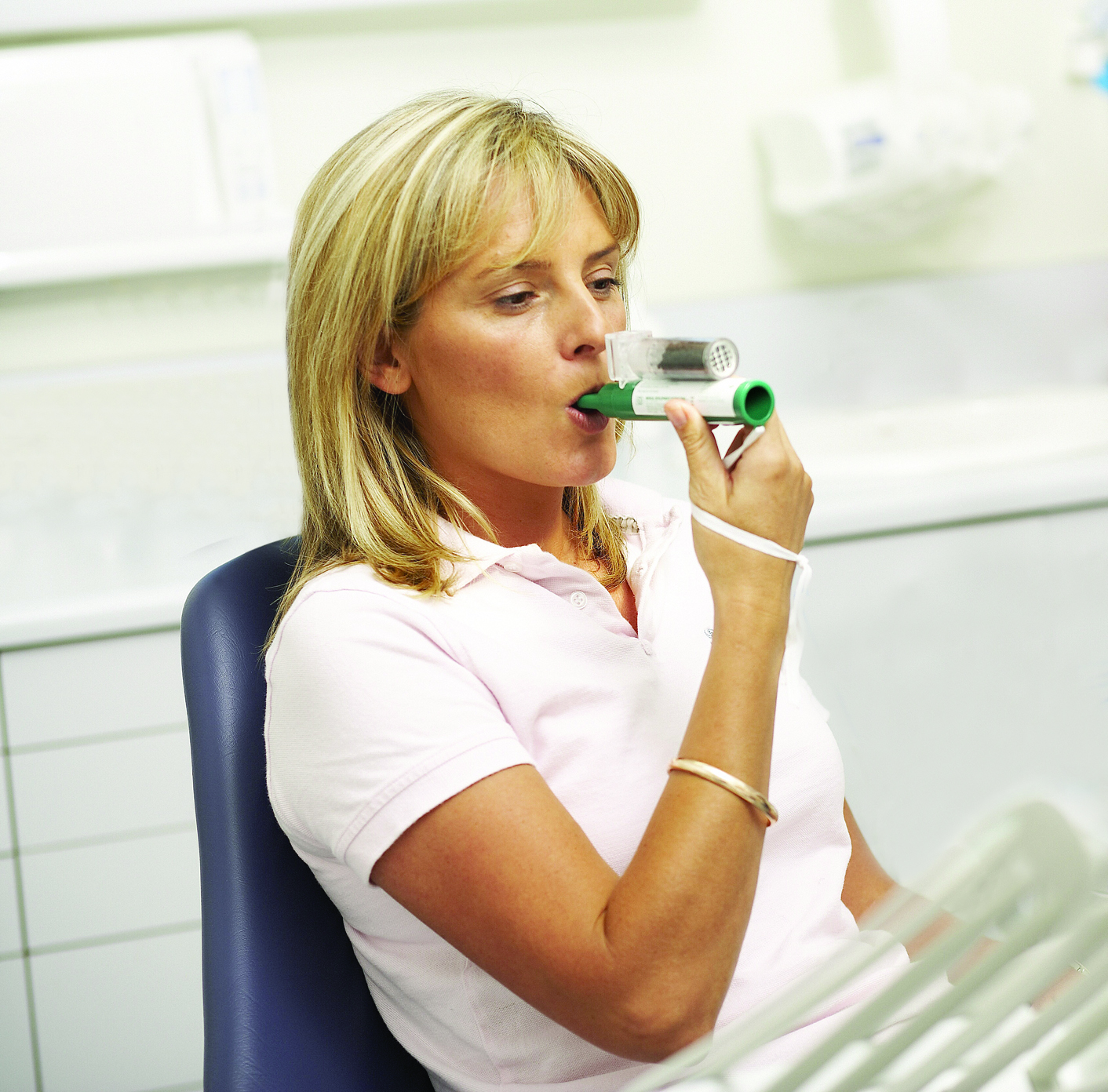
Pharmacology has a practical emphasis. You will review fentanyl and morphine with attention to context: fentanyl's quick onset and upper body wall rigidity danger with huge, fast dosages; morphine's histamine launch in hypotensive individuals; ketamine's role when opioids are dangerous or not enough, and just how to preempt development responses with low-dose benzodiazepines if your procedure allows. Inhaled methoxyflurane, typically the fastest-start option in the area, gets thorough insurance coverage on contraindications, particularly kidney impairment and duplicated dosing.
Non-drug strategies are not second thoughts. Splinting, positioning, ice or heat, mental first aid, and training in slow breathing can decrease the overall medicine burden. Good teachers demonstrate how to layer these procedures, not establish them apart when a vial comes out.
Finally, there is governance. PUAEME008 needs clear accountability: adhere to procedures, document rationale, escalate when outdoors range, and hand over easily. You must expect scenario-based analysis with time pressure, a short run of vital signs that degrade intentionally, and a chance to make the call to quit, reassess, and look for support.
What Capability Looks Like on a Shift
I think of one change with 2 clients 12 minutes apart. The very first, a middle-aged roofing contractor that had fallen from a ladder. He was guarding his left flank, tachycardic, borderline hypotensive. Methoxyflurane gave a bridge while we secured lines and prepared him for imaging. His discomfort rating fell from 9 to 6, enough to relax his breathing and permit far better assessment. We withheld morphine till we verified his pressure was steady after liquids. The secondly was a teenage netball player with an ankle injury and high stress and anxiety. No head injury, no warnings, but breathing quick and trembling. There, direction, immobilization, altitude, and a measured dose of intranasal fentanyl obtained her from a spiraling panic to a convenient 5 out of 10. 2 different presentations, two various solutions, same principles.
Competence receives the speed. You will certainly not discharge off a drug the moment someone states 10 out of 10. You will certainly look for contraindications in six or 7 secs, select a course that fits the situation, and titrate with intent. After years in severe care, my rule of thumb is easy: the cleaner the analysis, the smoother the analgesia. PUAEME008 gives you the list that makes that possible under pressure.
Choosing a Service provider for the PUAEME008 Supply Discomfort Administration Pathway
Quality differs. Search for a provider that backs concept with hands-on method, not simply a multiple-choice test. In high-value programs, you will certainly run through simulation with manikins or live role-play, create drug ladders from memory, and get comments on voice, rate, and paperwork. Trainers that still practice medically bring lived scenarios and the refined hints you require: the skin indicators that mean occult shock, the means a confused person replies to ketamine, or the delayed nausea take after morphine.
If the program assures magic or one-size-fits-all solutions, proceed. Pain management training has lots of trade-offs. Great programs show those trade-offs and show how to choose.
The Legal and Governance Backbone
Pain management programs for registered nurses rest inside a web of laws, schedules, and neighborhood medicine authorities. PUAEME008 does not change those rules, it operationalizes them. You will function within professional technique guidelines and standing orders. You will certainly see just how a pain management certification course can be a prerequisite to carry and carry out certain agents under solution policy, yet it seldom confers a global permit. Despite having a pain monitoring certification course finished, your range is defined by your company, your registration, and local legislation.
Documentation is part of the treatment. Most of the times, you will tape baseline important indicators, discomfort score, medication, route, dose, time, impact at taken care of intervals, and any type of damaging events or treatments. A clear handover compresses that narrative into 30 secs: device, essential searchings for, activity taken, reaction, recurring issues. In access job, that economy can be the distinction in between an organized transfer and an unpleasant overlap where no person makes sure what was given.
Pharmacology With Real-World Edges
Every analgesic you lug has a best-case and a trap.

Fentanyl intranasal is exceptional when IV gain access to is delayed, especially with fractures or burns. Enjoy cumulative dosing and respiratory price in patients with concurrent sedatives or alcohol usage. Morphine continues to be trusted for visceral discomfort, but in hypovolemia, it can tip a borderline blood pressure. Ketamine is a gift for severe distressing pain when opioids are contraindicated, but set expectations: individuals might explain weird visions or really feel removed. A tranquil voice and steady existence avoid many dysphoric responses. Methoxyflurane acts fast, travels light, and assists during extrication. Keep a psychological tally of direct exposure restrictions, specifically for repeat individuals in remote areas.
Non-opioids issue. Paracetamol and NSAIDs are not extravagant, but they minimize the opioid ceiling. If your method permits, IV paracetamol is an excellent accessory for modest discomfort where opioids would be overkill. In renal disease or risk of bleeding, you will certainly avoid NSAIDs. That judgment telephone call, made promptly and discussed plainly, earns client trust.
Pain Monitoring Training for Nurses Past the Unit
PUAEME008 is a strong starting factor. Many nurses include brief training courses in pain administration focused on particular populaces: pediatric discomfort, older grownups with ecstasy danger, or trauma look after remote practice. The best pain management training courses teach multi-modal care: pharmacology, psychology, and physical techniques together. They fold up in equity factors to consider: language barriers, social expectations, and skepticism based on previous negative experiences.
A certificate course in pain monitoring from an university or expert body can support more comprehensive roles, such as discomfort liaison in a medical ward or educator in an emergency situation department. If your career is wandering towards innovative method, a pain monitoring accreditation can map into postgraduate credits. Inquire about expression paths before you enroll. This way, your investment in a discomfort monitoring certification ends up being a step on a longer track.
For Physio therapists and Interdisciplinary Teams
Pain administration courses for physiotherapists take a different angle, however the intersection with PUAEME008 matters. In intricate bone and joint pain or post-operative rehabilitation, registered nurses and physios are typically the clinicians investing the most time at the bedside. Shared language lowers rubbing. A physio who recognizes the beginning and top of intranasal fentanyl can prepare mobilization home windows. A nurse that appreciates rated exposure and pacing can align breakthrough analgesia with restorative turning points, not simply the clock.
In companies that Click here! encourage it, joint workshops settle. A morning of shared simulation develops a typical rhythm, and individuals reap the benefits. If your service can hold interdisciplinary discomfort management training, push for it. The benefit turns up in less annoyed handovers and far better functional outcomes.
Emergency Pain Administration: The Rapid Lane
Emergency pain administration is not attractive, it is disciplined. The quick win is not constantly the right win. You may face a noisy space, member of the family discussing each various other, and an individual that provides you 3 various numbers for pain. You start with air passage and perfusion as constantly, after that anchor your options on threat and reversibility. An individual with rib cracks and a history of COPD may take advantage of local anesthetic in a well-resourced ED, however in prehospital treatment you may support with non-invasive actions, titrated opioids, and tight tracking. If you lug ketamine, you have one more path to analgesia that saves breathing drive.
In pediatric emergency situations, dose estimation and distribution route issue more than bravado. An anxious child will not hold a mouthpiece for methoxyflurane properly. Intranasal paths and interruption strategies win the day. I have watched a junior registered nurse change a scene by kneeling to the kid's eye degree and describing each step, after that letting the child choose which nostril to use. The dosage did its job since the distribution was humane.
Choosing the Right Pain Management Training Course Mix
One system can not do everything. Think about atmosphere, scope, and the individuals you see most often. If you deal with road ambulances or in access support, PUAEME008 give pain management gives you a useful scaffold. If you get on an orthopedic ward, a discomfort administration accreditation course that highlights multimodal treatment, opioid stewardship, and early mobilization may pay larger returns. In health care or country setups, brief training courses suffering management that cover persistent discomfort, tapering strategies, and brief cognitive interventions can lower ED discussions downstream.
An excellent plan places PUAEME008 together with a more comprehensive pain administration course. The former builds intense response abilities. The latter expands your restorative palette and keeps you from over-relying on any kind of solitary drug. With time, you can include targeted modules such as regional anesthesia for registered nurses where regional plan allows, or trauma-informed communication training, which impacts analgesia uptake greater than many realize.
Assessment, Review, and the Art of Titration
Numbers help but never inform the whole story. A client who reports 8 out of 10 yet clears up, smiles, and relocates extra freely after a little dosage is probably on the appropriate trajectory. A patient who reports 4 but remains rigid, sweaty, and tachycardic is not. PUAEME008 imposes reassessment intervals for a reason. The two-minute check after intranasal fentanyl and the five-minute check after IV morphine are not simple documentation. They are safety nets.
Titration is also regarding insight. If an ambulance trip is 45 mins and you are already at the top end of opioid dosing, take into consideration a ketamine mixture if permitted by your protocol, or layer non-pharmacological approaches to stretch convenience without intensifying sedation threat. That is the assuming PUAEME008 tries to impart: look 15 minutes in advance, not simply five.
Safety, Damage, and When to Stop
Every medical professional remembers the initial person that went quieter than anticipated. You will learn the pattern: a relaxed time-out that is unfathomable, shallow breaths, a pulse oximeter that slides down a couple of factors. That is the moment to pause, stimulate, use airway support, and rise. Turnaround agents exist for opioids, yet they are not a license to push restrictions. Your best security devices are weight-based dose checks, step-by-step titration, and clear team effort where anyone can state, let's hold and reassess.
For ketamine, introduction delirium is the common worry, specifically in anxious patients or when the environment is chaotic. Early avoidance strategies consist of a tranquility, dimmer room when possible, a constant, calming voice, and, when accredited, a small benzodiazepine dosage. If hypertension or tachycardia comes to be obvious, you reevaluate the balance of advantage and danger. File everything, including the option to hold treatment. Excellent administration respects judgment calls.
Evidence, Not Dogma
You want training courses that point out present standards, not stories alone. Pain scientific research evolves. The pendulum has turned from opioid minimization at all costs to a much more nuanced sight: opioids work when utilized carefully, combined with non-opioid representatives, and ingrained in a strategy that favors feature over complete tingling. A solid pain administration certificate or discomfort monitoring certification course will instruct deprescribing pathways for chronic usage, while PUAEME008 maintains you experienced at intense, time-critical care. Both matter.
When examining companies, ask about situation mix in simulation, update frequency naturally materials, and exactly how they address unique populaces such as pregnancy, kidney disability, or older grownups with polypharmacy. If they can not respond to, your discovering may be stuck in last decade's dogma.
Building Confidence: Method, Debrief, Repeat
Confidence grows in cycles. Method in simulation, apply on change, debrief with peers, and fold lessons back into the next situation. Keep individual notes: dose ranges that work well for specific injuries, methods to stable a panicked patient, expressions that construct permission under stress. Share those notes. In our department, a standing 20-minute debrief each Friday fixed much more reoccuring troubles than any type of formal policy.
If you are new to analgesia delivery, start with a slim playbook backed by PUAEME008: fast assessment, 2 or 3 first-line choices, and a clear rise course. Add intricacy only as your pattern recognition strengthens. Clients really feel the distinction in between a clinician who smacks and one who relocates with intent.
How Employers Sight the Credential
From an employer's viewpoint, a nurse that has completed PUAEME008 supply discomfort monitoring is more deployable in intense functions. It minimizes positioning time, lowers medication mistake risk, and sustains regular person experience. Combine it with a discomfort monitoring certificate course that covers multimodal methods and you end up being a go-to clinician for complicated discomfort situations on the flooring. For management roles, a pain administration qualification signals dedication to stewardship and education and learning, qualities managers reward when creating protocols or dealing with opioid-related top quality projects.
If you are angling for a brand-new position, include concrete results on your CV: minimized time to initial analgesia in triage by a measurable percent, or participation in a pilot that presented intranasal fentanyl for pediatric cracks with positive client complete satisfaction scores. Credentials open doors, results maintain them open.
What an Educating Day Feels Like
Expect a morning of pharmacology and governance, not as dry recounting yet with instance vignettes. After lunch, circumstance turnings. You may manage an elderly loss with presumed hip crack, an automobile collision with compromised breathing, and a sickle cell crisis. pain management skills certification Each circumstance forces a choice: which agent, which course, what starting dosage, how to reassess. Great facilitators interleave issues: an unexpected drop in saturation, a misdrawn dosage you capture in time, or a family member that tests your strategy. The day finishes with a debrief that connects micro-decisions to outcomes.
You will certainly be tired in properly, the way that originates from choosing, not simply listening to slides.
Bringing It All Together
The pathway functions best as a series rather than a single occasion. Begin with PUAEME008 to support emergency situation pain management. Include a pain management course that widens your toolkit, after that take another look at with refresher courses every 12 to 24 months. Slip in targeted short training courses suffering management when your function changes or when your division takes on new procedures. Maintain an individual formulary card. Practice handovers aloud. Educate juniors, due to the fact that training is just how you will observe spaces in your very own understanding.
The goal is not to go after a wall of certificates. The objective is to stroll right into a space where discomfort is the heading and lead a feedback that is quick, humane, and safe.
Quick Option Guide
- If your function involves field action or ED triage, prioritize PUAEME008 Offer Pain Management first, after that include a multimodal discomfort monitoring certificate course within six months. If you function largely in inpatient medical or orthopedic wards, select a pain monitoring accreditation training course that highlights opioid stewardship, functional objectives, and early mobilization, after that add PUAEME008 if your range includes acute analgesia initiation. For country and remote method, pair PUAEME008 with short programs in pain management for chronic conditions and telehealth-supported protocols. Physiotherapists ought to seek discomfort management training courses for physiotherapists with components on pharmacology timing and interaction, and companion with nursing coworkers that hold PUAEME008 for lined up care windows. Educators and emerging leaders take advantage of a certification program suffering monitoring that includes audit, metrics, and plan layout, layered on top of PUAEME008 for integrity in intense settings.
Final Ideas for the Operating Clinician
On an active change, perfection is not the target. Clearness is. PUAEME008 supplies a clear scaffold, a method to relocate from evaluation to activity without skipping steps. Pair it with wider discomfort management training for nurses and you will not just soothe pain much faster, you will certainly do it with less shocks. The craft lives in the little choices: the course you choose, the extra moment you invest explaining what an individual will certainly feel, the second check before a dosage, the steady voice throughout a ketamine swirl.
Patients seldom bear in mind medicine names. They keep in mind the person who made the most awful hour of their day manageable. That is the criterion this pathway aims to help you meet.